
In today’s fast-paced world, inner peace often feels elusive. With constant distractions, stress, and the pressures of daily life, it can be challenging to find stillness and tranquility. But the good news is that achieving inner peace is not as complicated as it might seem. With just a few intentional practices, you can reclaim your calm and sense of balance. In this article, we’ll explore five simple steps to help you discover and nurture inner peace, starting with the basics and gradually incorporating mindfulness, gratitude, and relaxation techniques into your life.

1) Breathing Exercise: The Foundation of Inner Peace
Breathing is not just a biological function; it is a powerful tool for calming the mind and body. When you focus on your breath, you instantly activate your parasympathetic nervous system, which helps reduce stress and anxiety. Deep breathing exercises are one of the simplest and most effective ways to reconnect with your inner peace.
Simple Breathing Exercise to Try:
- Find a quiet space where you can sit comfortably.
- Close your eyes and place your hands on your belly, allowing it to rise and fall with your breath.
- Inhale deeply through your nose for a count of 4, feeling your lungs expand and your belly rise.
- Hold your breath for a count of 4.
- Exhale slowly through your mouth for a count of 6.
- Repeat this process for 5 to 10 minutes, focusing entirely on the sensation of breathing.
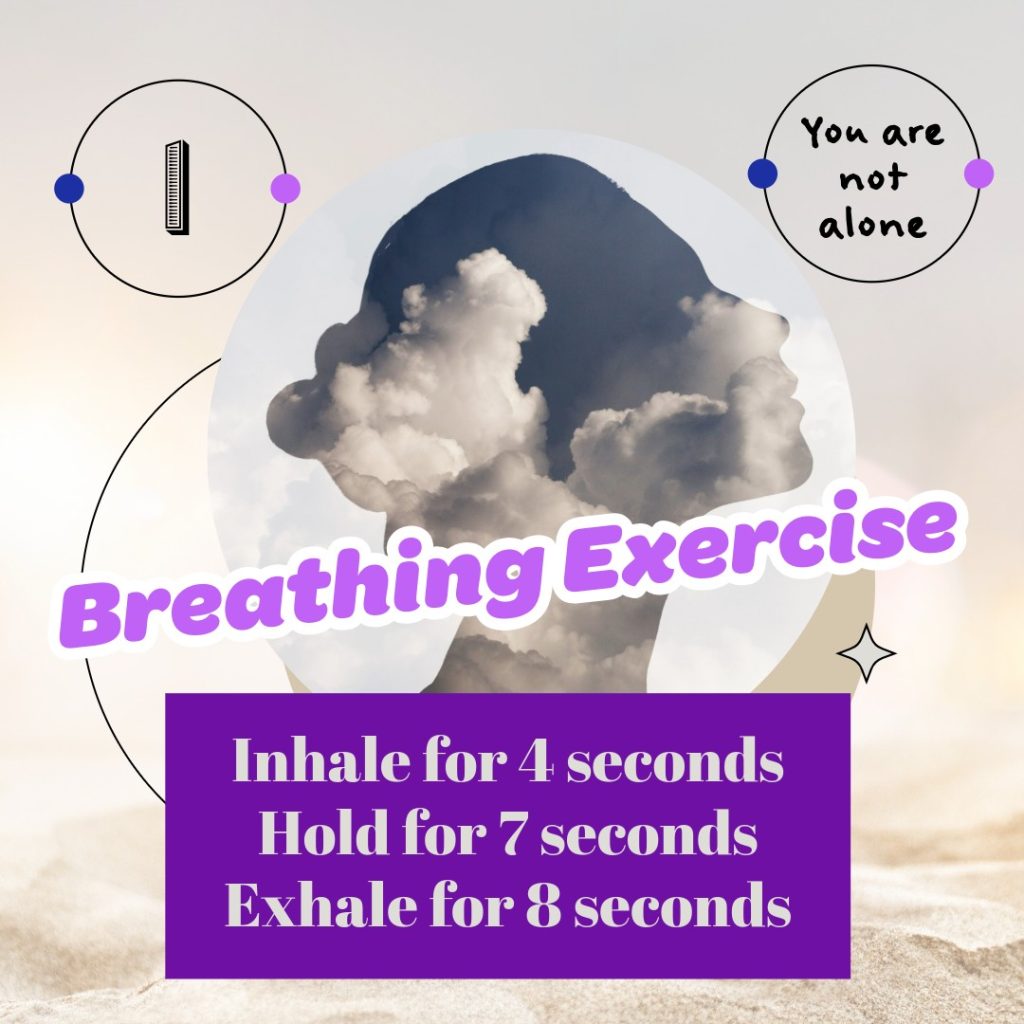
Breathing exercises like this one can be practiced anytime you feel overwhelmed. It helps center your thoughts and restore a sense of calm.
2) Gratitude: Shifting Your Focus to the Positive
One of the most transformative ways to cultivate inner peace is through gratitude. It’s easy to get caught up in what’s going wrong in life, but practicing gratitude shifts your focus to the positive aspects, no matter how small they may seem. This shift in perspective can help reduce stress, improve your mental health, and increase your overall sense of well-being.
How to Practice Gratitude:
- Start a gratitude journal: Every morning or evening, write down three things you are grateful for. These can be big or small – anything that brings you joy or peace.
- Express gratitude verbally: Take a moment to thank people in your life. Whether it’s a friend, family member, or colleague, expressing your appreciation helps foster connection and positivity.
- Create a gratitude ritual: For example, before eating a meal, take a few moments to reflect on the things you are thankful for. This helps bring mindfulness to everyday activities.

Practicing gratitude regularly rewires your brain to focus on the positive, fostering a deep sense of inner peace. It also enhances your relationships, improves emotional resilience, and promotes contentment.
3) Progressive Relaxation: Letting Go of Tension
When we experience stress, our bodies tend to hold onto tension, especially in areas like the shoulders, neck, and back. Progressive muscle relaxation (PMR) is a technique that allows you to systematically release tension and promote deep relaxation. This practice involves tensing and then relaxing different muscle groups, which helps bring awareness to the body and calm the nervous system.
Simple Progressive Relaxation Technique:
- Find a comfortable position: Sit or lie down in a quiet space.
- Take a deep breath and bring your focus to your body.
- Start with your feet: Tense the muscles in your feet for 5-10 seconds, then relax them completely. Notice the difference between the tension and relaxation.
- Move up the body: Progressively tense and relax each muscle group, starting with the calves, thighs, abdomen, chest, arms, and hands. Finish with the muscles in your face and neck.
- Breathe deeply throughout the process, focusing on the release of tension in each area.

Progressive relaxation helps activate the body’s relaxation response, which can reduce physical and mental stress. Practicing this technique regularly is an excellent way to unwind, clear your mind, and promote a sense of calm.
4) Mindful Listening: Connecting with the Present Moment
One of the most effective ways to achieve inner peace is through mindfulness, and one powerful form of mindfulness is mindful listening. In today’s world, we are often multitasking or distracted during conversations, which can lead to misunderstandings and stress. Mindful listening is the practice of being fully present and attentive when others are speaking, without judgment or interruption.
How to Practice Mindful Listening:
- Be present: Focus entirely on the person speaking, giving them your full attention. Put away your phone and distractions.
- Listen without judgment: Resist the urge to immediately formulate your response or judge what’s being said. Simply listen and absorb the words and emotions being shared.
- Notice non-verbal cues: Pay attention to body language, facial expressions, and tone of voice, as these often convey deeper meaning than words alone.
- Reflect back: After the conversation, reflect on what was said. This helps you process the interaction and deepen your connection with others.

Mindful listening fosters empathy, strengthens relationships, and creates a sense of connection, all of which contribute to a peaceful state of mind. It also helps you cultivate patience, understanding, and emotional intelligence.
5) Nature Break: Reconnecting with the Earth
Nature has an incredible ability to restore our sense of balance and tranquility. Whether it’s a walk in the park, a hike in the woods, or simply sitting by the ocean, spending time in nature has been shown to reduce stress, lower blood pressure, and improve mental clarity. When we disconnect from technology and the noise of everyday life, we allow ourselves to reconnect with the natural rhythms of the earth, which promotes inner peace.
How to Take a Nature Break:
- Step outside: Find a natural space – whether it’s a garden, a nearby park, or a walking trail – and take a break from your usual routine.
- Engage your senses: Focus on what you can see, hear, smell, and feel in the environment. The rustling of leaves, the chirping of birds, and the fresh air are all grounding sensations that can bring peace to your mind.
- Practice mindful walking: As you walk, pay attention to each step you take. Feel the ground beneath your feet, the movement of your body, and the calming effects of being in nature.
- Sit in silence: Take a moment to sit and simply be. Let go of any thoughts or worries and allow the peacefulness of nature to settle within you.
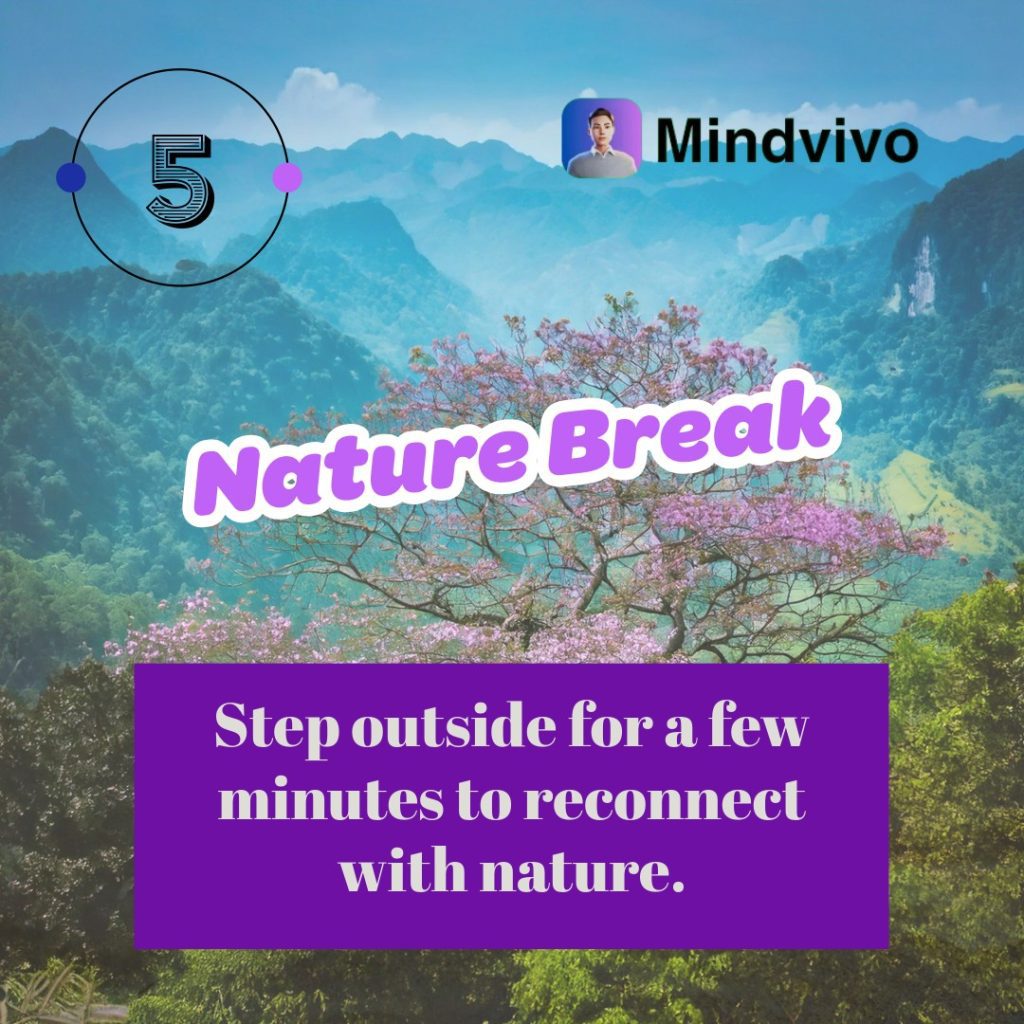
Spending time in nature is not only rejuvenating for the body but also for the mind. By immersing yourself in the natural world, you give your mind the opportunity to reset, reduce stress, and find a deep sense of inner peace.
Conclusion: Finding Inner Peace in the Simple Moments
Inner peace doesn’t require a radical transformation; it’s about making small, intentional shifts in your daily habits. By incorporating breathing exercises, gratitude practices, progressive relaxation, mindful listening, and nature breaks into your routine, you can cultivate a deeper sense of calm and tranquility.
Remember that achieving inner peace is an ongoing practice. Some days may be easier than others, but with patience and consistency, these simple steps can help you navigate life’s challenges with grace and mindfulness. Start today, and take one step closer to a life of inner peace and balance.
Take the First Step with Mindvivo
If you’re looking for guided practices to help you integrate these steps into your life, Mindvivo offers a variety of resources, including meditation guides, breathing exercises, and mindfulness techniques. Whether you’re new to mindfulness or an experienced practitioner, Mindvivo provides tools to help you cultivate lasting inner peace and emotional well-being. Explore our offerings today and begin your journey to a calmer, more peaceful you.

By following these five simple steps, you can unlock the power of mindfulness and create a peaceful state of mind no matter what life throws your way. Embrace the journey, and let peace be your constant companion.