
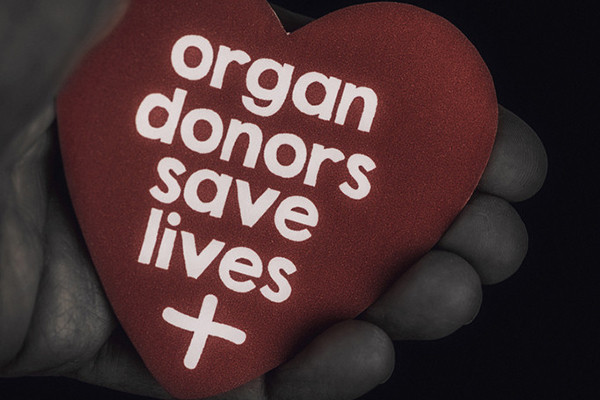
Valentine’s Day gifts like chocolates and flowers are nice. But you can give a gift that really changes someone’s life—organ, tissue, or blood donation. This gift can save a life or free someone from long hours of dialysis.
When you donate blood, tissue, or organs, you help people who are very sick. On National Donor Day (also Valentine’s Day), there are blood drives and chances to sign up as an organ donor. You might wonder what you can give, or worry about risks. Read on to learn more.
How donation helps
If your kidneys fail, you may need dialysis many hours a week just to stay alive. Even then, life can be short. If your liver fails, you might feel very sick and have only weeks or months left. Cancer patients may need bone marrow, and people with cornea problems may lose their sight. A transplant may be their best hope.
Organ and tissue donation can give people more time and a better quality of life. Yet far more people need organs than there are donors. About 90% of Americans say they support donation, but only 40% have signed up. Over 103,000 people in the US wait for an organ, and around 6,200 die each year while still waiting.
What you can donate
After death, one person can help more than 80 others by donating:
- bones, cartilage, and tendons
- corneas
- face and hands
- kidneys
- liver
- lungs
- heart and heart valves
- stomach and intestines
- nerves
- pancreas
- skin
- arteries and veins
While alive, people can donate:
- birth tissue (placenta, umbilical cord, amniotic fluid)
- blood cells, plasma, or bone marrow
- one kidney
- part of a lung
- part of the intestine, liver, or pancreas
Myths about donating after death
Some common worries are:
- Doctors won’t try as hard to save you if you are an organ donor.
- Your religion does not allow organ donation.
- You cannot have an open-casket funeral after donating organs.
None of these are true. Medical teams always do their best to save you first. Most religions support organ donation. If you donate after death, your body is dressed and looks normal, so an open casket is still possible.
Living donations: blood, bone marrow, and organs
Giving blood is a simple, low-risk process. Donating bone marrow takes minor surgery and may cause some pain for a few days, but the body replaces the marrow quickly. Donating stem cells is similar to giving blood and takes several hours. Giving one kidney or part of a liver or lung is a major operation, yet most donors recover well and feel proud to help others.
Who can donate?
Most healthy people can give blood, tissue, bone marrow, or organs. People with active cancer or serious infections cannot. Age alone does not stop you from donating organs—many donors are over 50, and some are in their 90s. Bone marrow donation is usually not done for people over about 60.
Finding a good match
To avoid rejection, donor and recipient must match certain proteins (HLA). Relatives often match best, but strangers can match too. Some groups have fewer donors and may find matches harder to get.
Conclusion
You can save lives by becoming a donor now or after you die. In the US, you must sign up to be an organ donor. If more people sign up, fewer will die waiting for a transplant.
This Valentine’s Day, consider giving the gift of life along with—or instead of—chocolates and flowers.