
Postpartum Depression: Understanding, Coping, and Finding Support
What Is Postpartum Depression?
Postpartum depression (PPD) is a common mental health condition that affects 1 in 7 new mothers. While welcoming a new baby is often seen as a joyful time, many women experience overwhelming sadness, anxiety, or emotional detachment in the weeks and months after giving birth. Unlike the short-lived “baby blues,” which typically last a few days, PPD can persist for weeks or even longer, affecting both the mother and the baby’s well-being.
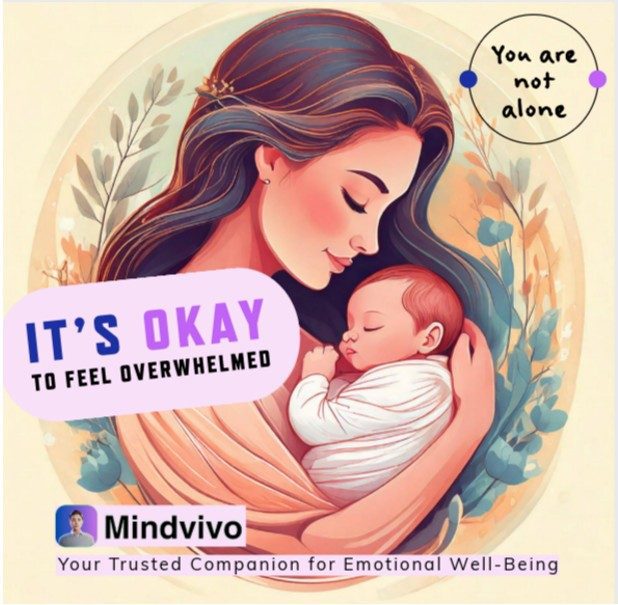
If you are feeling persistently low, overwhelmed, or disconnected, know that you are not alone, and support is available.
Signs and Symptoms of Postpartum Depression
PPD can manifest differently in each mother, but some common symptoms include:
✅ Persistent feelings of sadness or hopelessness
✅ Lack of interest or joy in activities, including bonding with the baby
✅ Extreme fatigue or lack of energy
✅ Difficulty sleeping, even when the baby sleeps
✅ Changes in appetite (eating too much or too little)
✅ Intense mood swings, irritability, or anger
✅ Feelings of guilt, worthlessness, or inadequacy as a mother
✅ Anxiety, panic attacks, or excessive worry about the baby
✅ Thoughts of harming oneself or the baby (in severe cases)
If you or someone you know is experiencing these symptoms, seeking help early is essential.
What Causes Postpartum Depression?
PPD is not a sign of weakness or failure as a mother—it is a medical condition influenced by multiple factors, including:
🔹 Hormonal Changes – A sudden drop in estrogen and progesterone after childbirth can contribute to mood instability.
🔹 Physical Exhaustion – The demands of caring for a newborn can lead to sleep deprivation and fatigue.
🔹 Emotional Adjustments – The transition to motherhood brings new responsibilities, expectations, and challenges.
🔹 Lack of Support – Feeling isolated or lacking help from family and friends can increase emotional distress.
🔹 History of Mental Health Issues – Women with a personal or family history of depression or anxiety are at a higher risk.
Understanding these factors can help new mothers and their families take proactive steps to support mental well-being.
How to Cope with Postpartum Depression
Managing PPD requires a combination of self-care, professional support, and emotional connection. Here are some ways to start feeling better:
1. Seek Professional Help
🔹 Talk to a doctor or therapist – Therapy and, in some cases, medication can help manage symptoms effectively.
🔹 Use mental health platforms like Mindvivo – Access resources, support, and tools designed to help new mothers cope.
2. Prioritize Self-Care
🔹 Rest whenever possible – Sleep deprivation can worsen symptoms, so take naps when you can.
🔹 Eat a balanced diet – Nutrient-rich foods can help stabilize mood and energy levels.
🔹 Engage in gentle physical activity – Walking, stretching, or yoga can boost your mood naturally.
3. Build a Support System
🔹 Reach out to family and friends – Don’t hesitate to ask for help with childcare or household tasks.
🔹 Join a support group – Connecting with other mothers facing similar struggles can provide reassurance and comfort.
🔹 Talk openly about your feelings – Bottling up emotions can make things worse. Sharing your experience helps.
4. Practice Mindfulness and Stress Management
🔹 Deep breathing and meditation – These can help reduce anxiety and promote relaxation.
🔹 Journaling – Writing down your thoughts and emotions can be a therapeutic way to process your feelings.
🔹 Limit social media – Comparing yourself to idealized motherhood images online can increase stress and self-doubt.
When to Seek Immediate Help
If you experience thoughts of self-harm or harming your baby, seek medical attention immediately. Postpartum depression is treatable, and you deserve help. In crisis situations, contact a mental health professional or a crisis hotline in your country.
Mindvivo: Your Partner in Mental Well-Being
At Mindvivo, we understand that motherhood is a journey that comes with highs and lows. Our platform provides resources, expert guidance, and a supportive community to help you navigate postpartum mental health challenges.
💡 Your well-being matters. Reach out for support today ➡ mindvivo.com
Final Thoughts
Postpartum depression is real, but so is hope and recovery. With the right support, treatment, and self-care, you can regain joy and confidence in your motherhood journey.
💬 What helped you or someone you know cope with postpartum depression? Share your thoughts in the comments!
#PostpartumDepression #NewMoms #MentalHealthAwareness #MindvivoCare #MotherhoodMatters #YouAreNotAlone