
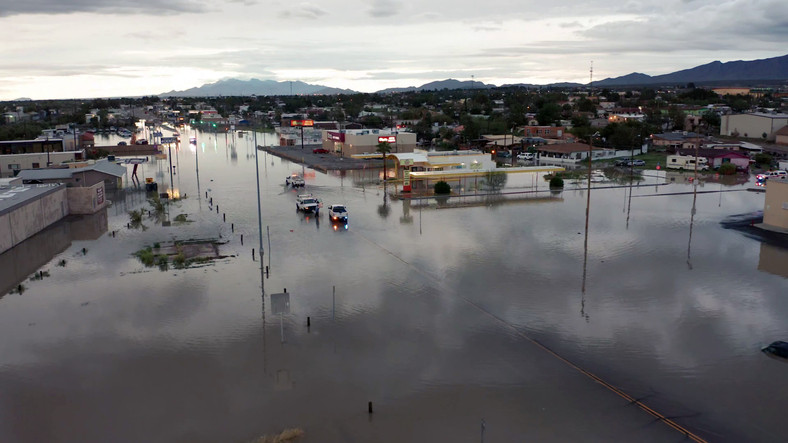
Heavy rains and rising seas make floods worse. Flood waters can rush into homes and buildings. Right away, people can drown, get injured while running for safety, or catch hypothermia in cold water without shelter.
Even after the news crews leave, floods keep affecting people. One hidden danger is worse breathing problems, like asthma or bad allergies. The good news is you can take steps to lower flood risks and protect your lungs if flooding happens.
How does flooding cause breathing problems?
Flood water often carries harmful chemicals, metals, germs, and sewage into buildings. When the water dries, it leaves behind dirty dust. If you walk around or clean, that dust floats in the air. Then you can breathe in whatever was in the dust, which can harm your lungs.
You do not need to have your house fully underwater to be at risk. After big storms, water can get inside through the roof, windows, or air vents, even far inland.
Mold growth can make it worse
Mold is a type of fungus that grows on damp materials. After a flood, wet floors, walls, and furniture make mold grow fast. Mold releases tiny spores into the air. Everyone breathes some mold spores, but too many can trigger asthma, stuffy or runny nose, and sinus infections.
Studies after big floods showed outdoor mold levels doubled where water stood. Inside flooded homes, mold was even higher. Children are especially likely to get asthma or breathing problems if they live around dampness or mold.
How to protect your lungs from flood harm
Research shows a few key things matter for staying safe: keeping water out, drying things quickly, and cleaning up right away. Here are steps you can take before and after heavy rain or flooding.
Before storms or heavy rain: Keep water out
- Fix your roof, clean gutters, and seal around skylights, pipes, and chimneys to stop leaks.
- Clear drains and empty septic tanks.
- Seal cracks in walls and around windows to block rain and floodwater.
- Install a sump pump in basements and backflow valves on sewer lines to keep water from coming back into your home.
After flooding or heavy rain: Dry and clean quickly
- Stay out of flooded areas or buildings until they are dry and safe.
- Look for wet spots, damp walls, and mold right away.
- Drain floodwater and throw away any leftover mud or sediment.
- Remove wet carpets, furniture, and other soft materials. If you can, dry them outdoors in sunlight.
- Open windows and doors or use a strong fan to speed up drying.
- Use dehumidifiers in damp areas like basements.
- Use good air filters (HEPA or similar) in your heating and cooling system or a portable air cleaner to catch mold spores.
When you see mold
- Wear a fitted N95 mask, gloves, and waterproof boots before you clean.
- Wash and disinfect anything that got wet with soap or cleaning products.
- Put moldy materials in heavy-duty plastic bags and seal them before throwing away.
Doing these steps before and after storms helps protect your breathing and keeps your home safer after floods.